FECCLAHA Archives - FELLOWSHIP OF CHRISTIAN COUNCILS AND CHURCHES IN THE GREAT LAKES AND HORN OF AFRICA (FECCLAHA)

As conflicts across the Great Lakes and Horn of Africa become increasingly complex, one reality continues to emerge, sustainable peace cannot be achieved without the meaningful participation of women.

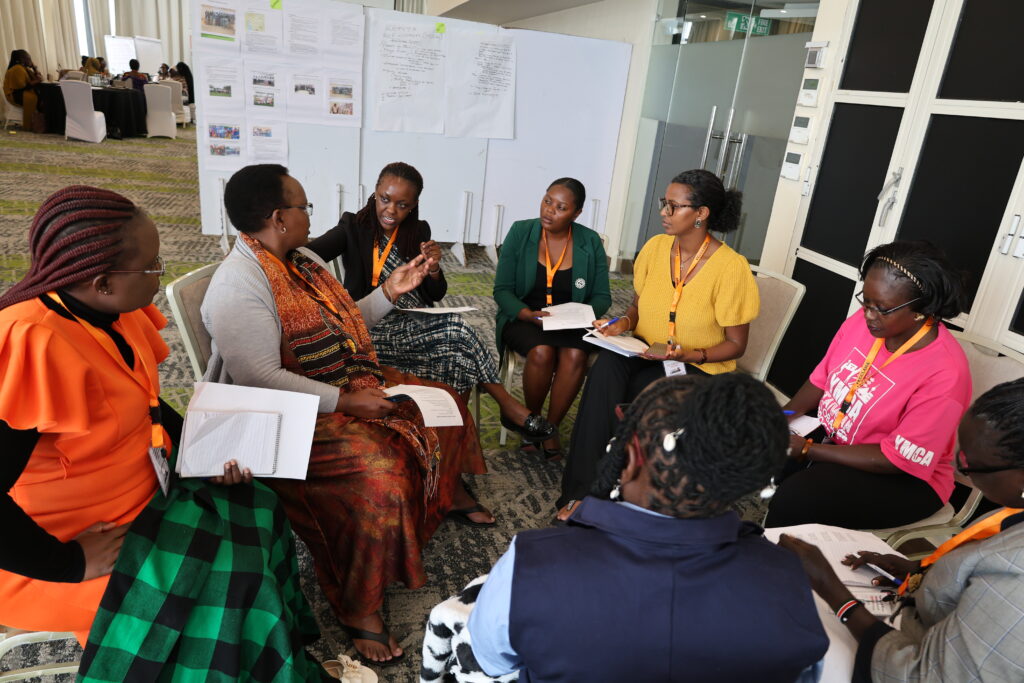
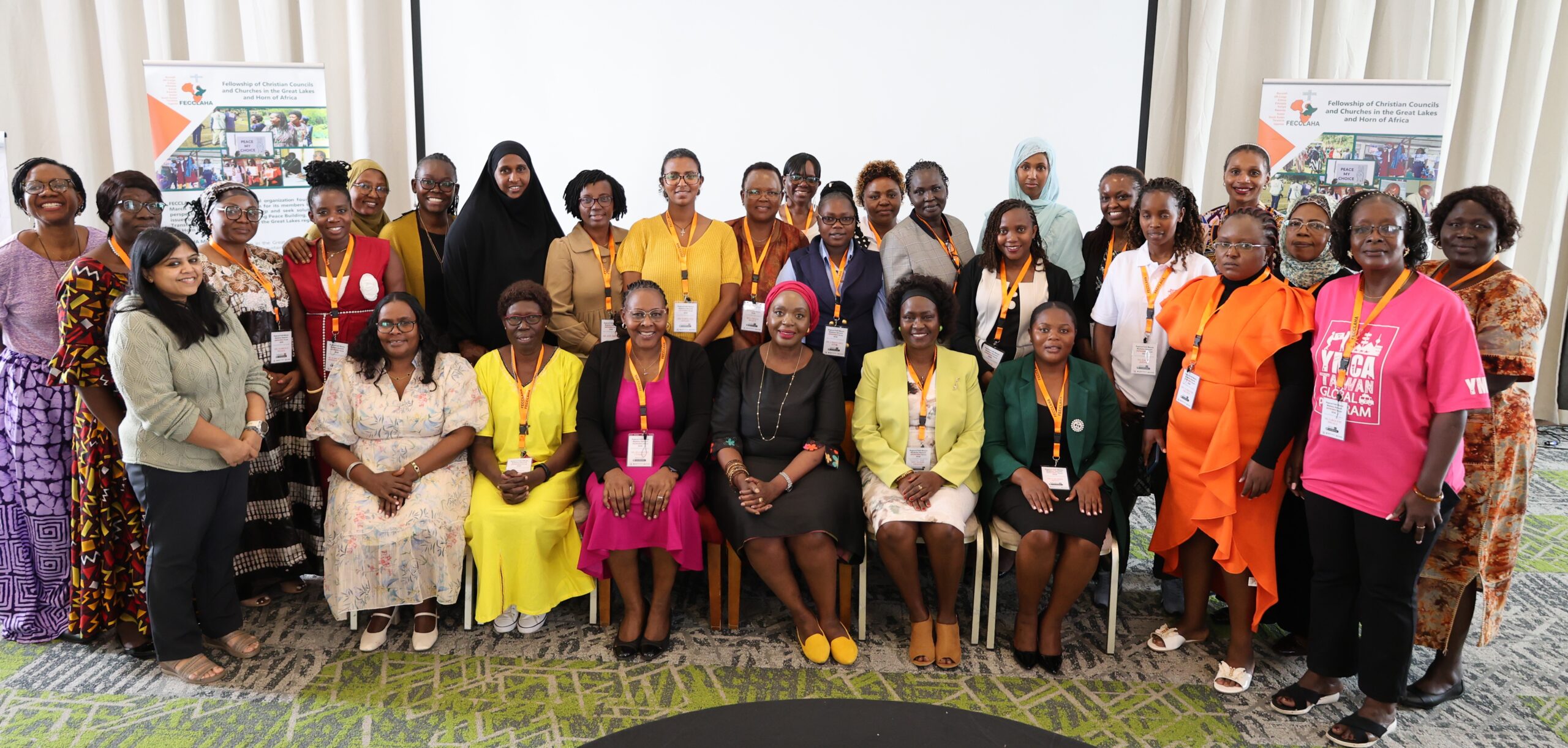
This conviction was at the heart of the Regional Faith Women Mediation Network (REFWOMEN) Annual Forum (7th – 9th July 2026), convened by the Fellowship of Christian Councils and Churches in the Great Lakes and Horn of Africa (FECCLAHA), in partnership with Norwegian Church Aid Advocacy Programme Africa (NAPA) and ACCORD, under the theme:

“The Role of REFWOMEN in Policy Engagement: Practical Skills and Entry Points at the National and Regional Level.”

The forum brought together women of faith from across the region to strengthen one another’s capacity to engage decision-makers, influence policy, and contribute more strategically to peace and security processes. It also reaffirmed REFWOMEN’s growing role as a regional platform that connects grassroots peacebuilding with national, regional, and continental policy spaces.

While women have long played critical roles in mediation, reconciliation, and community dialogue, participants reflected on the need to move beyond responding to conflict and towards influencing the policies and institutions that shape peace. Throughout the discussions, participants shared experiences from their respective countries, highlighting emerging challenges ranging from electoral tensions and humanitarian crises to shrinking civic space and protracted conflicts. Despite the diversity of contexts, one message remained constant: communities continue to rely on women of faith as trusted conveners, bridge-builders, and agents of hope.

A recurring theme throughout the forum was that effective policy engagement begins with understanding context. Participants examined how local realities should inform advocacy priorities and discussed practical ways of translating community experiences into evidence-based policy recommendations. The exchanges reinforced that advocacy is most effective when it is rooted in lived realities and informed by the voices of those directly affected by conflict.
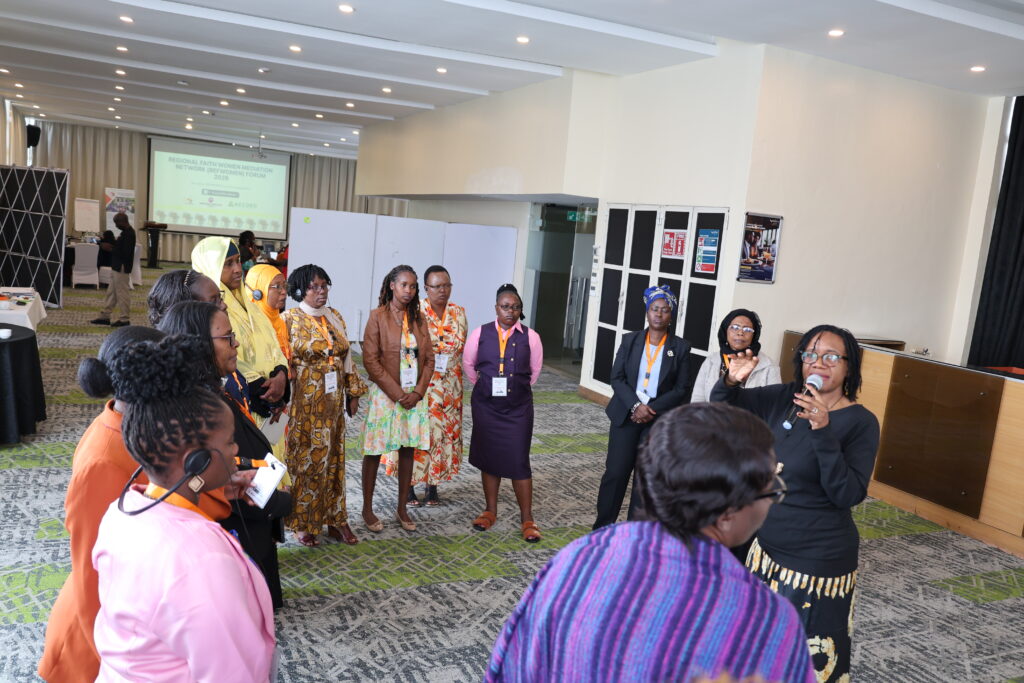
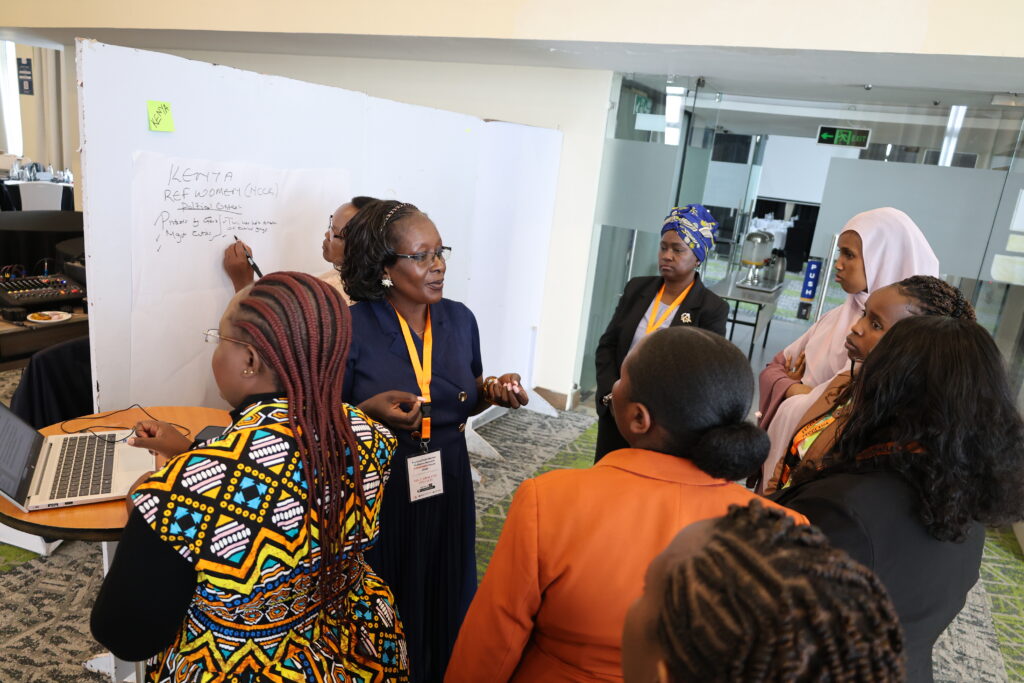
The forum also placed strong emphasis on strengthening practical advocacy skills. Through interactive learning and role-playing exercises, participants explored how to communicate with decision-makers, frame compelling advocacy messages, negotiate commitments, and navigate high-level policy spaces. Rather than viewing advocacy as simply raising concerns, participants reflected on the importance of preparation, strategic communication, and building relationships that can influence lasting change.

The discussions came at a particularly significant moment for REFWOMEN. Late last month, REFWOMEN, under FECCLAHA, signed a Memorandum of Understanding with the African Union to collaborate on Building Peace at the Community, National and Regional Levels. The partnership provides an important platform for strengthening the participation of women and other underrepresented groups in peace processes, advancing mediation and reconciliation efforts, promoting trauma healing, and increasing awareness of African Union peace and security frameworks. It also reinforces the role of women of faith as key partners in implementing the Women, Peace and Security and Youth, Peace and Security agendas.
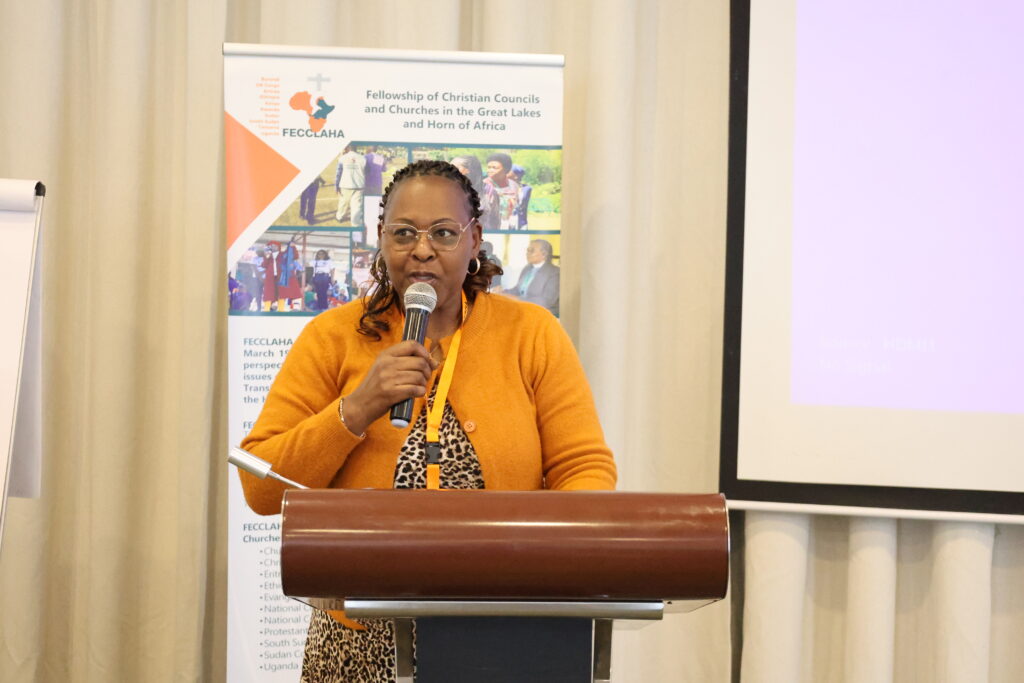
Reflecting on this milestone, FECCLAHA Executive Director Jeannette Uwizeye encouraged participants to view policy engagement as a natural progression of the work they are already leading within their communities. She emphasized that women of faith have demonstrated their ability to transform lives through mediation, dialogue, and reconciliation, and that the next step is ensuring these experiences help shape the decisions that influence peace across the continent.
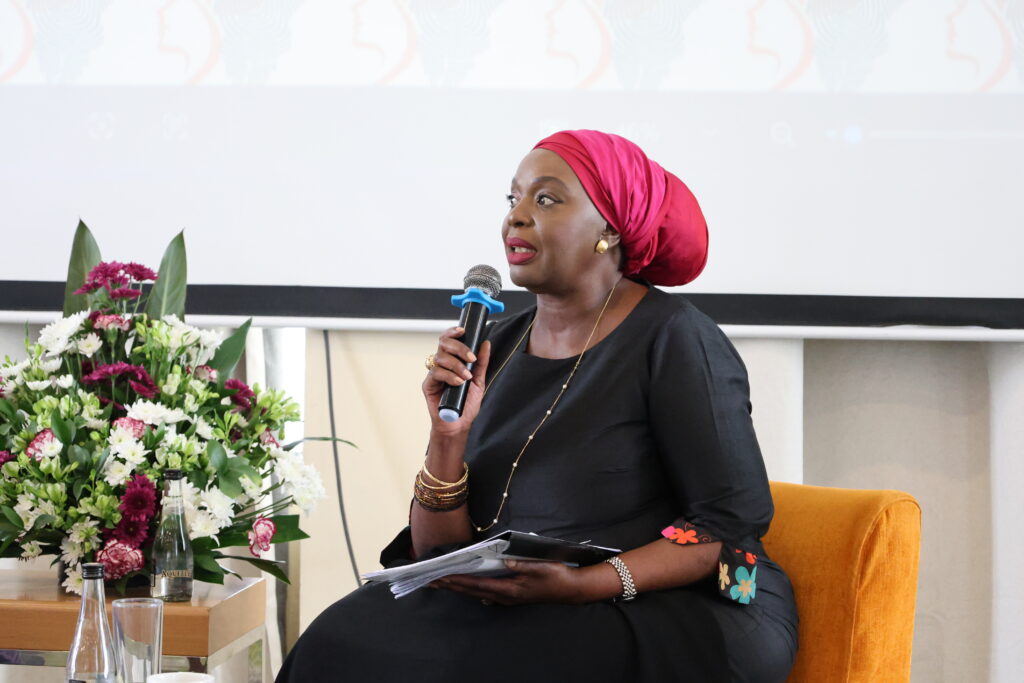
The forum was further enriched by the participation of Ambassador Raychelle Omamo, who shared insights from her experience in diplomacy and public service. She challenged participants to approach policy engagement with confidence, preparation, and credibility, reminding them that influence is built through consistency, relationships, and a clear understanding of institutional processes.

The gathering also celebrated the partnerships that have accompanied REFWOMEN since its establishment. Partners reaffirmed their commitment to strengthening the network and supporting women who continue to lead peacebuilding efforts in communities across the region. Over the years, REFWOMEN has evolved into a platform that not only amplifies women’s voices but also equips them with the knowledge, networks, and practical skills needed to contribute meaningfully to peace and security initiatives.

As the forum concluded, participants returned to their respective countries with renewed purpose and a shared commitment inspired by the story of the hummingbird, a reminder that lasting transformation begins when each person chooses to do the best they can.

For REFWOMEN, that commitment means continuing to strengthen women of faith as mediators, advocates, and policy influencers, ensuring that the voices shaping peace at the community level are also helping shape the policies that will determine the future of the Great Lakes and Horn of Africa.
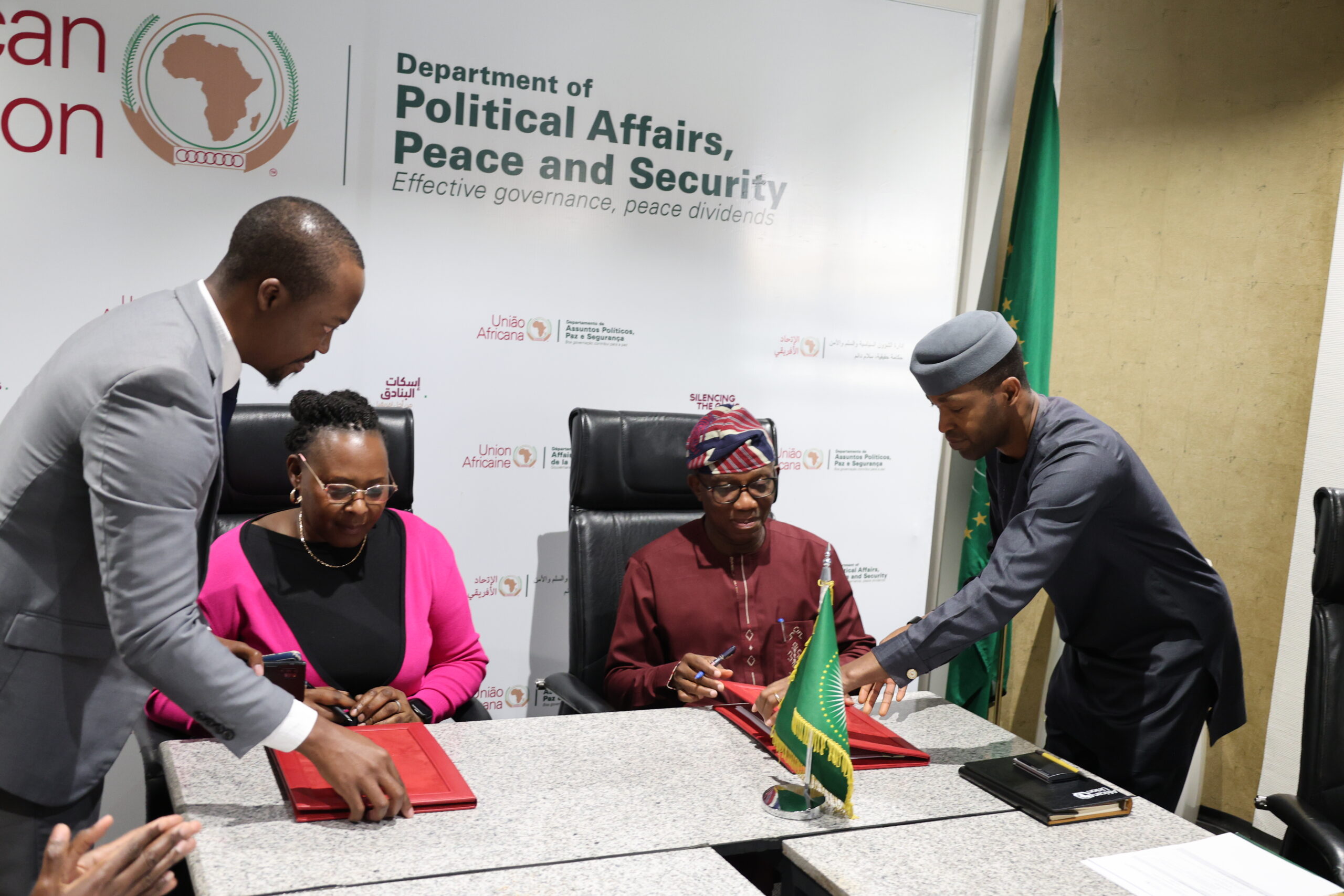
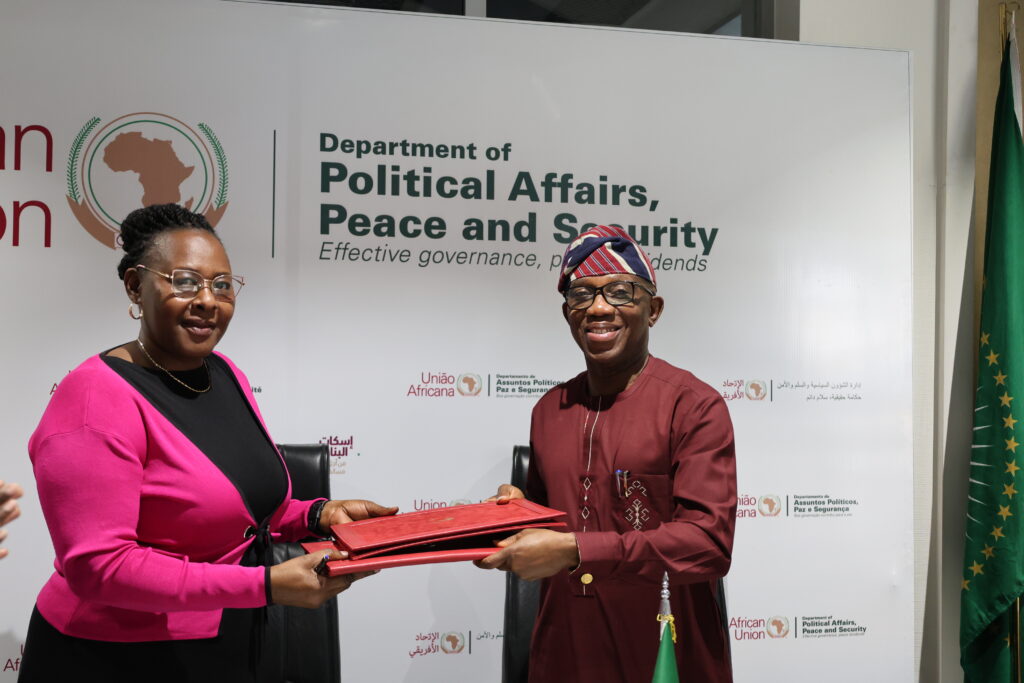
The Regional Faith Women Mediation Network (REFWOMEN), has officially signed a Memorandum of Understanding (MoU) with the African Union (AU), marking a significant milestone in strengthening collaboration for peacebuilding across Africa.

Ms Jeannette Uwizeye (FECCLAHA Executive Director), and H.E Ambassador Bankole Adeoye , Commissioner for Political Affairs, Peace and Security, African Union Commission after signing the MoU
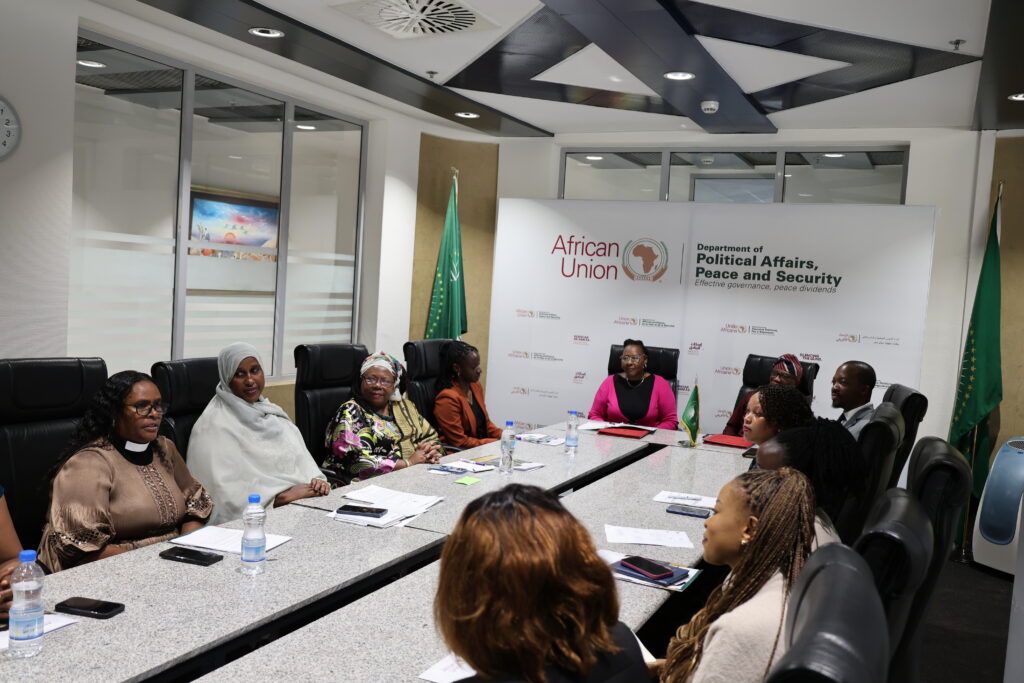
Signed by the Fellowship of Christian Councils and Churches in the Great Lakes and Horn of Africa (FECCLAHA), as the convening institution of REFWOMEN, the partnership marks a major milestone in advancing the network’s mission of strengthening the role of women of faith in mediation, peacebuilding, and conflict prevention across the continent.

Centred on the theme “Building Peace at the Community, National and Regional Levels,” the MoU establishes a framework for cooperation aimed at strengthening inclusive peace processes, enhancing community resilience, and ensuring that underrepresented groups, particularly women and youth, play meaningful roles in peace and security efforts.

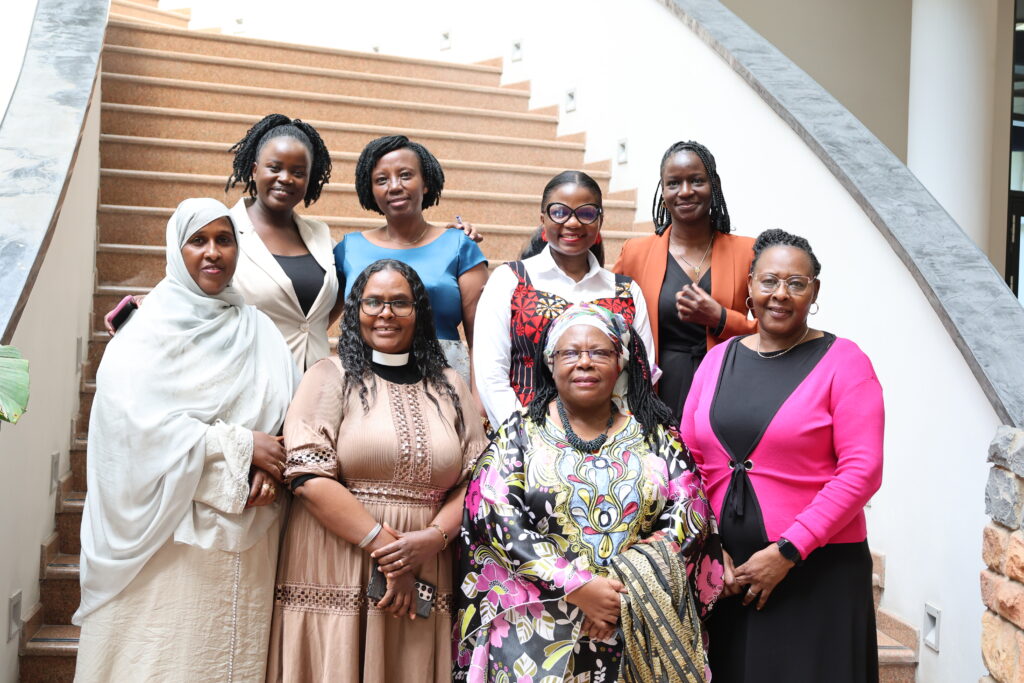
The signing ceremony brought together representatives from the African Union, FECCLAHA, the REFWOMEN, the Norwegian Church Aid Advocacy Programme Africa (NAPA), and the International Center for Peace, Human Rights and Development (IPHRD), alongside technical teams who have supported the journey toward this partnership over the past three years.

The delegation at the signing ceremony
REFWOMEN has emerged as one of FECCLAHA’s flagship peacebuilding platforms, bringing together women of faith from across the Great Lakes and Horn of Africa to strengthen mediation, leadership, and advocacy in conflict transformation. In a region frequently affected by armed conflict, electoral violence, displacement, violent extremism, and social fragmentation, women often serve as first responders, community stabilizers, and informal mediators, yet remain underrepresented in formal peace processes.

This partnership with the African Union represents a significant step in changing that reality.

Through the MoU, REFWOMEN will contribute to advancing key African Union peace and security priorities, including the Women, Peace and Security (WPS) agenda, the Youth, Peace and Security (YPS) framework, Agenda 2063, and the Silencing the Guns initiative. The collaboration will focus on strengthening women and youth participation in peace processes, supporting community reconciliation and trauma healing, preventing election-related violence, countering violent extremism, and promoting grassroots awareness of African Union peace frameworks.

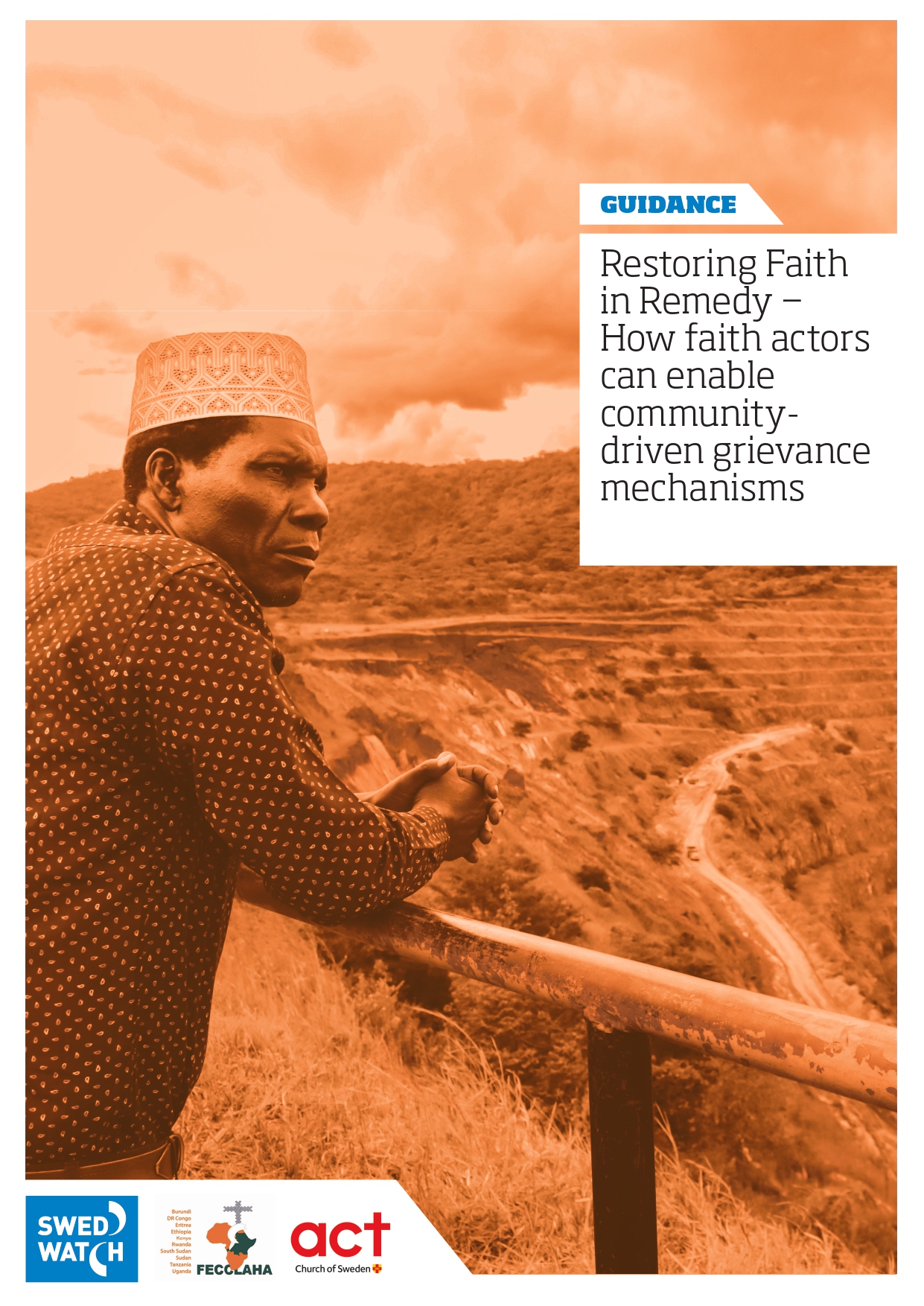
Members of REFWOMEN present during the signing of the MoU
The agreement also recognizes the critical role of faith actors and interfaith collaboration in peacebuilding. Across conflict-affected communities, religious leaders remain among the most trusted voices, often serving as bridges for dialogue, reconciliation, and healing. By strengthening collaboration between continental institutions and faith-based peace actors, the partnership creates stronger pathways for community-centred conflict prevention and sustainable peace.

The signing reflects the culmination of nearly three years of collaboration between FECCLAHA, NAPA, IPHRD, and the African Union, rooted in a shared vision of building stronger bridges between community-led peace efforts and continental peace architecture.

Speaking during the signing, H.E. Amb. Bankole emphasized the deeper meaning of peace and the significance of the partnership.

“A few years ago, someone asked me for my definition of peace. They probably expected a political response, but I gave them a biblical one: peace that surpasses all understanding. That is the peace we should strive for. This marks the beginning of a close partnership between our organizations, and I am pleased to be part of it.”

FECCLAHA Executive Director Jeannette Uwizeye highlighted the strategic importance of placing community actors, especially women of faith, at the centre of peacebuilding.

“Peace cannot remain a policy aspiration alone. It must be experienced in communities, strengthened through institutions, and sustained by collective responsibility. Through REFWOMEN, we are ensuring that women of faith are not merely participants in peace processes but recognized as essential peace architects.”

The REFWOMEN model is already generating interest beyond the Great Lakes and Horn of Africa, with growing linkages and learning exchanges emerging across the continent, including in West Africa, affirming the increasing recognition of women of faith as indispensable actors in peacebuilding.

As implementation begins, this partnership signals a renewed commitment to building peace that is inclusive, community-centred, and sustainable.

Because when women, youth, faith actors, and communities are empowered to lead peace processes, peace becomes more than an aspiration, it becomes a lived reality.

FOR IMMEDIATE RELEASE

Arusha, Tanzania – 5 June 2026

FECCLAHA, Swedwatch, and Act Church of Sweden, with support from the Christian Council of Tanzania (CCT), have launched a new guidance note highlighting the critical role faith actors can play in supporting access to remedy for communities affected by extractive industries.

The guidance note was officially been launched today 5 June 2026, during the Eastern Africa Exchange Platform on Business and Human Rights in Arusha, Tanzania.

The guidance note responds to growing concerns across the Great Lakes and Horn of Africa, where communities continue to experience human rights abuses and environmental harm linked to extractive industries while access to justice and effective remedy remains limited. The publication documents impact including displacement, environmental degradation, health risks, violence, loss of livelihoods, and land rights violations. It also highlights how existing grievance mechanisms are often inaccessible, poorly communicated, and lack community trust.

“Faith actors remain deeply rooted within communities and are often among the first institutions people turn to when facing injustice and harm linked to extractive industries. This guidance recognizes the important role faith leaders can play in supporting dialogue, trust-building, grievance processes, and long-term follow-up toward meaningful remedy and accountability,” said Monica Njoroge, Programme Manager at FECCLAHA.

The guidance also notes that shrinking civic space across the region has made it increasingly difficult for communities and civil society actors to document abuses and engage state authorities and companies, with many facing threats, arrests, violence, and administrative restrictions.

In this context, the guidance calls for stronger collaboration between communities, faith actors, companies, investors, and governments.

“Communities living with the impacts of extractive industries are too often left without meaningful avenues to raise grievances or seek remedy. This guidance shows that solutions exist — but they require aligned action from all actors across the value chain,” said Benjamin Claeson, Programme Officer at Swedwatch and author of the report.

The report identifies faith actors as trusted and locally embedded institutions that can facilitate dialogue, support grievance processes, strengthen conflict resolution, and help communities identify priorities for remedy.

The guidance note includes a foreword by Bishop Nelson Kisare, Chairperson of the Tanzanian Interfaith Standing Committee on Economic Justice and Integrity of Creation (ISCEJIC), and outlines practical recommendations for companies, investors, public buyers, and states across extractive value chains.

Among the key recommendations are:

  • Strengthening grievance mechanisms that are safe, accessible, transparent, and community-driven;
  • Supporting communities with access to information and alternative pathways to justice;
  • Using leverage across value chains to ensure meaningful stakeholder engagement;
  • Strengthening collaboration with faith actors and community networks; and
  • Enhancing accountability and enforcement of due diligence obligations.

“Ensuring access to remedy is not only a responsibility of extractive companies — it requires coordinated action across value chains. Without this, communities will continue to bear the costs of extraction without recourse,” said Benjamin Claeson.

By placing communities at the centre of grievance processes and recognizing the role of trusted local actors, the guidance calls for a more inclusive, accountable, and people-centred approach to remedy within the extractives sector.

About the Organizations

FECCLAHA is a regional faith-based organization headquartered in Kenya that brings together national councils of churches and faith actors from across the Great Lakes and Horn of Africa to collaborate on peacebuilding, conflict transformation, and social justice initiatives.

Swedwatch is an independent non-profit research organization that examines the impacts of business operations on human rights and the environment.

Act Church of Sweden is a faith and human rights-based actor engaged in international humanitarian action and development cooperation.

The Christian Council of Tanzania (CCT) is an umbrella organization of Protestant denominations and church-related organizations in Tanzania and is a member organization of FECCLAHA.

ENDS

For media inquiries:

Judy Muthoni: judy.muthoni@fecclaha.org

Brighton Katabazi: +255 758118 223- Tanzania

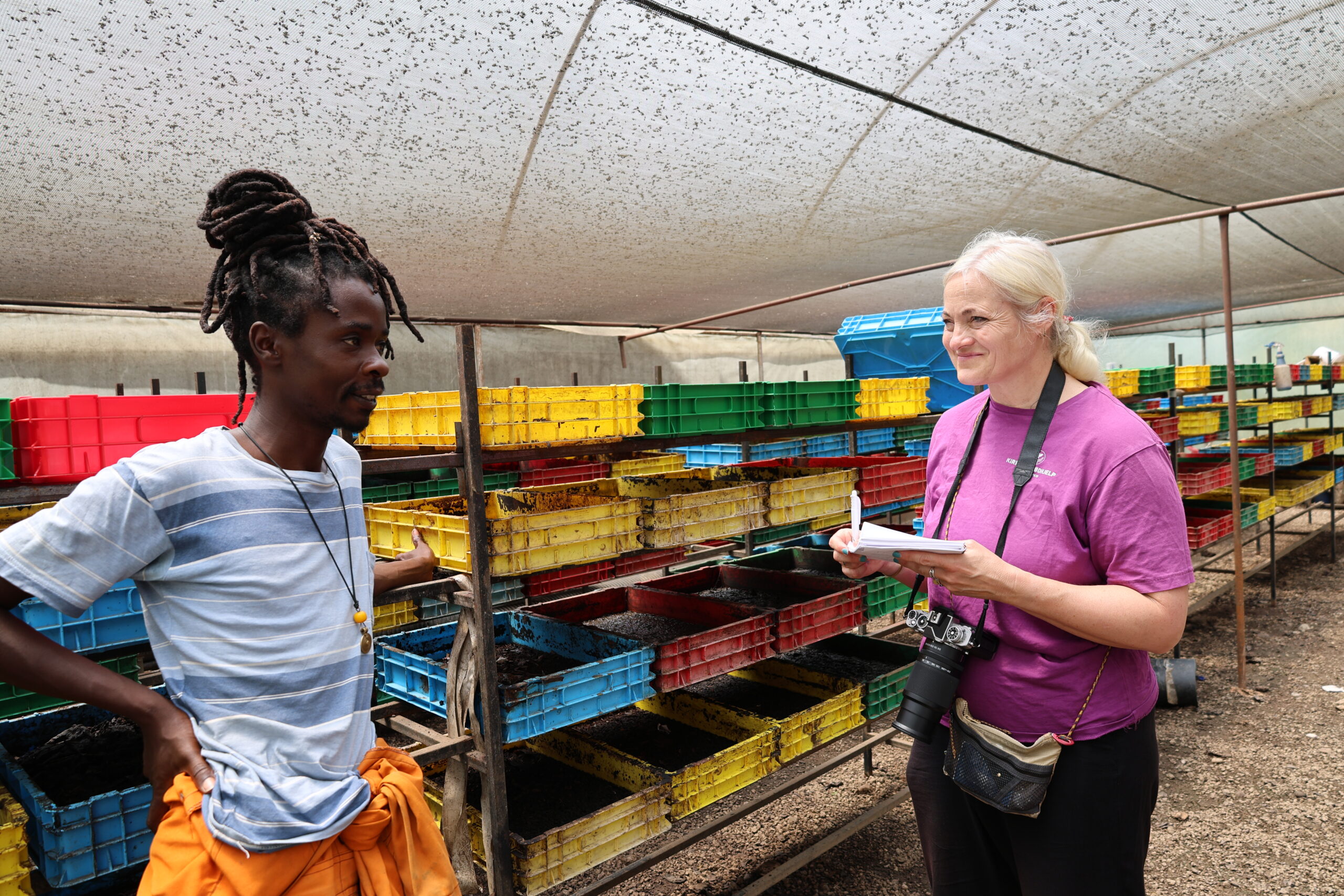
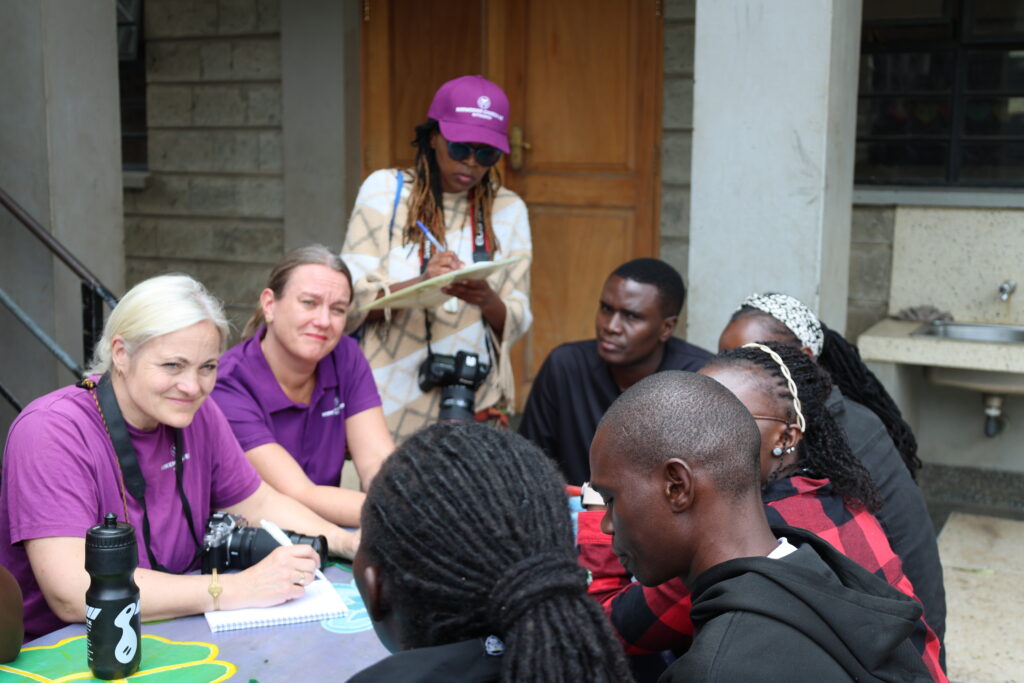
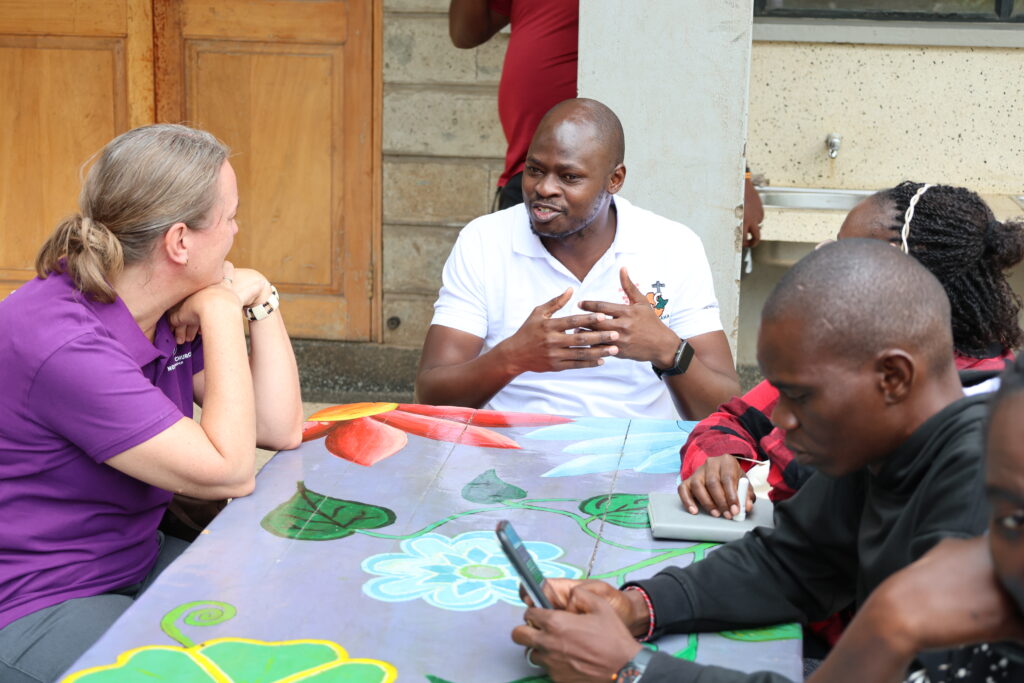
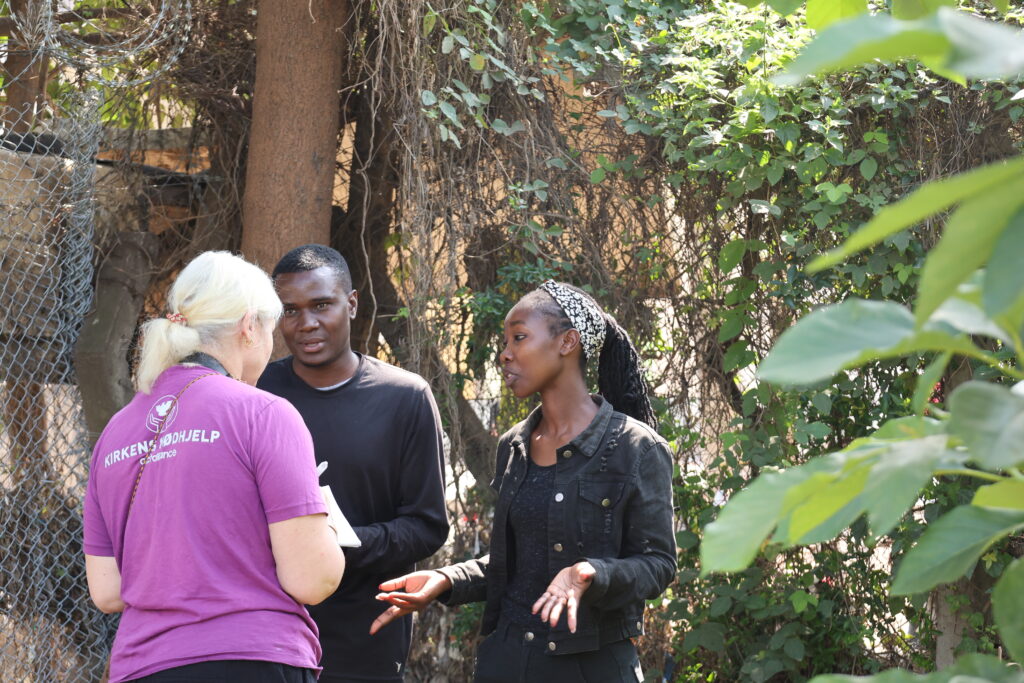
This week in Mukuru, Kenya, FECCLAHA hosted the Norwegian Church Aid (NCA) team for a documentation and learning visit on the Youth Peace Clubs initiative, a space where stories of resilience, leadership, innovation, and hope came alive.

Through conversations with young people from various peace clubs, the delegation heard powerful testimonies of transformation. Youth shared how the clubs have opened opportunities for engagement in peacebuilding, social cohesion, civic participation, and peaceful election processes within their communities.

The visit also showcased youth-led innovation in action. From FECCLAHA’s “Talking Wall”, a vibrant space of art and advocacy where young people express messages around peace, justice, and ending GBV; to a bio project started by youth despite the devastating effects of floods, the day reflected the determination of young people to create solutions within their own communities. The team also visited a community centre established through youth leadership and collective action.

Speaking during the visit, Guro, Head of Africa Programmes at Norwegian Church Aid, expressed admiration for the journey of the peace clubs and the commitment of the youth:

“The commitment of the young people and watching them grow into leaders is powerful. The conversations around peaceful elections were especially eye-opening.”

Sam, one of the pioneer members of the Youth Peace Clubs, reflected on what has sustained the initiative:

“What has enabled the clubs to grow is allowing young people to make decisions, organise themselves, and discover what works for them.”

Anette, Communications Officer at Norwegian Church Aid, also noted how inspiring it was to witness young people intentionally building peaceful and resilient communities while developing innovative responses to challenges such as climate change and waste management.

The visit served not only as a documentation exercise, but also as an opportunity for shared learning, storytelling, and reflection on how youth-led approaches can shape future peacebuilding and advocacy programming.

At FECCLAHA, we continue to believe that when young people are given space, trust, and support, they do not simply participate in peacebuilding, they lead it.

The Fellowship of Christian Councils and Churches in the Great Lakes and Horn of Africa (FECCLAHA) marks twenty years since its inception this year. FECCLAHA was  launched in 1999 and registered in Kenya a year later.

To mark the peak of this important milestone, FECCLAHA will hold a special celebration  in Addis Ababa-Ethiopia in October this year, guided by the theme “ Journeying towards Sustainable Peace, Justice and Development”. This will provide space for reflection and envisioning the FECCLAHA we want.

FECCLAHA, a regional ecumenical organization, was formed to foster a strong ecumenical cooperation and fellowship among members to urge them to take ownership and responsibility of and  proactively seek solutions  to the problems in the region  especially with regard to conflicts.

Its members comprises of national councils and churches  in ten countries: Burundi, Democratic Republic of Congo (DRC), Eritrea, Ethiopia, Rwanda, Kenya, South Sudan, Sudan, Tanzania and Uganda.