As conflicts across the Great Lakes and Horn of Africa become increasingly complex, one reality continues to emerge, sustainable peace cannot be achieved without the meaningful participation of women.
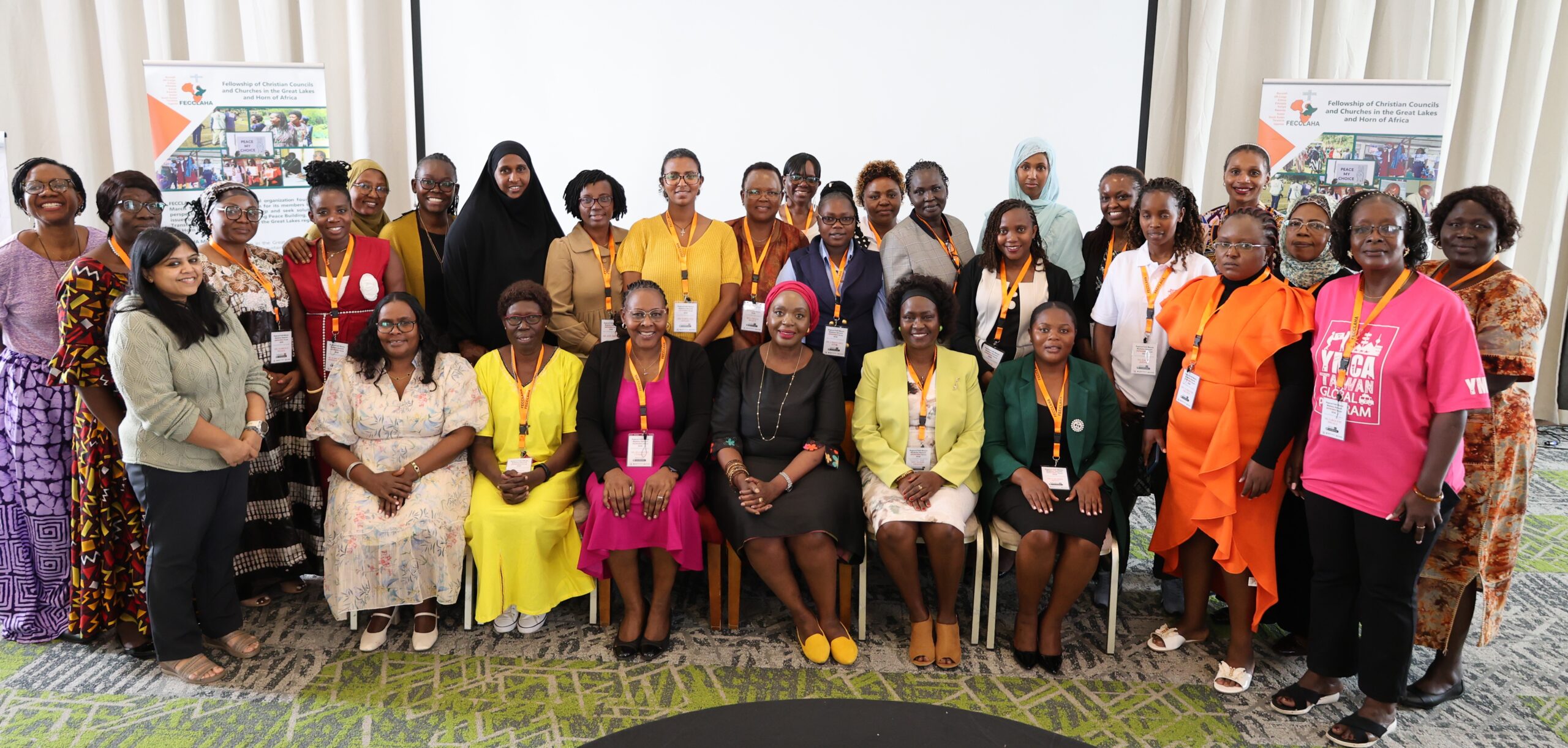
This conviction was at the heart of the Regional Faith Women Mediation Network (REFWOMEN) Annual Forum (7th – 9th July 2026), convened by the Fellowship of Christian Councils and Churches in the Great Lakes and Horn of Africa (FECCLAHA), in partnership with Norwegian Church Aid Advocacy Programme Africa (NAPA) and ACCORD, under the theme:
“The Role of REFWOMEN in Policy Engagement: Practical Skills and Entry Points at the National and Regional Level.”
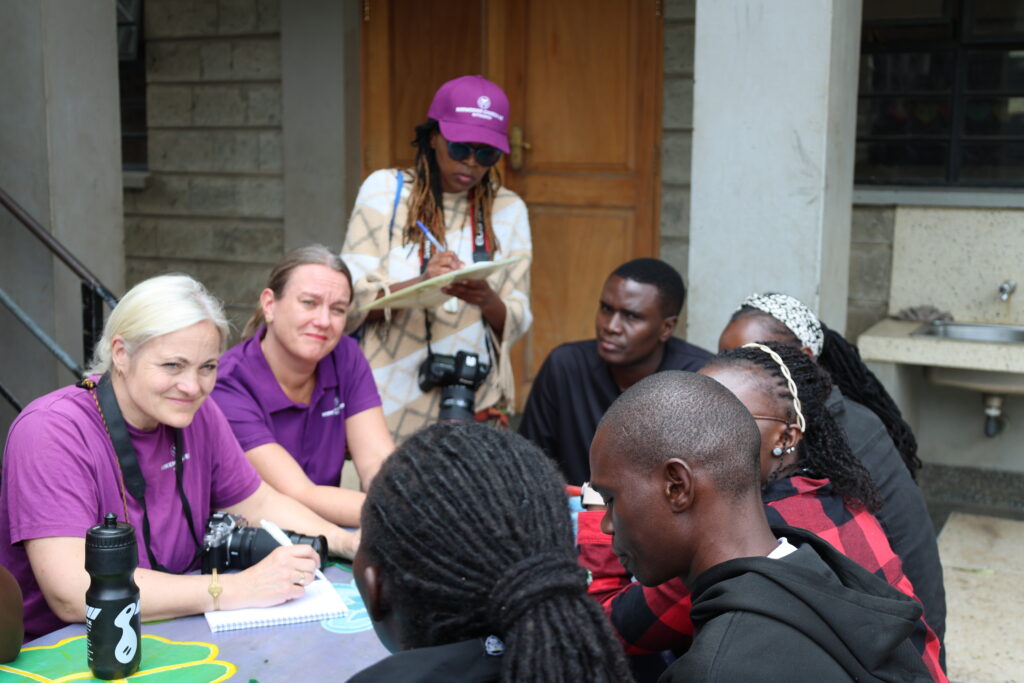
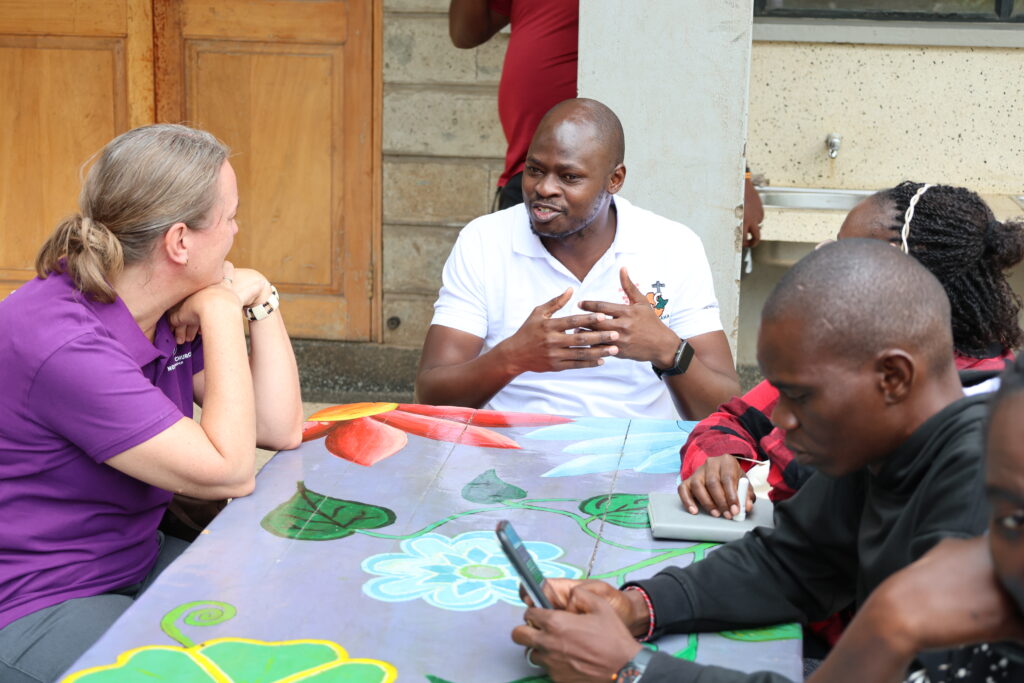
The forum brought together women of faith from across the region to strengthen one another’s capacity to engage decision-makers, influence policy, and contribute more strategically to peace and security processes. It also reaffirmed REFWOMEN’s growing role as a regional platform that connects grassroots peacebuilding with national, regional, and continental policy spaces.
While women have long played critical roles in mediation, reconciliation, and community dialogue, participants reflected on the need to move beyond responding to conflict and towards influencing the policies and institutions that shape peace. Throughout the discussions, participants shared experiences from their respective countries, highlighting emerging challenges ranging from electoral tensions and humanitarian crises to shrinking civic space and protracted conflicts. Despite the diversity of contexts, one message remained constant: communities continue to rely on women of faith as trusted conveners, bridge-builders, and agents of hope.
A recurring theme throughout the forum was that effective policy engagement begins with understanding context. Participants examined how local realities should inform advocacy priorities and discussed practical ways of translating community experiences into evidence-based policy recommendations. The exchanges reinforced that advocacy is most effective when it is rooted in lived realities and informed by the voices of those directly affected by conflict.
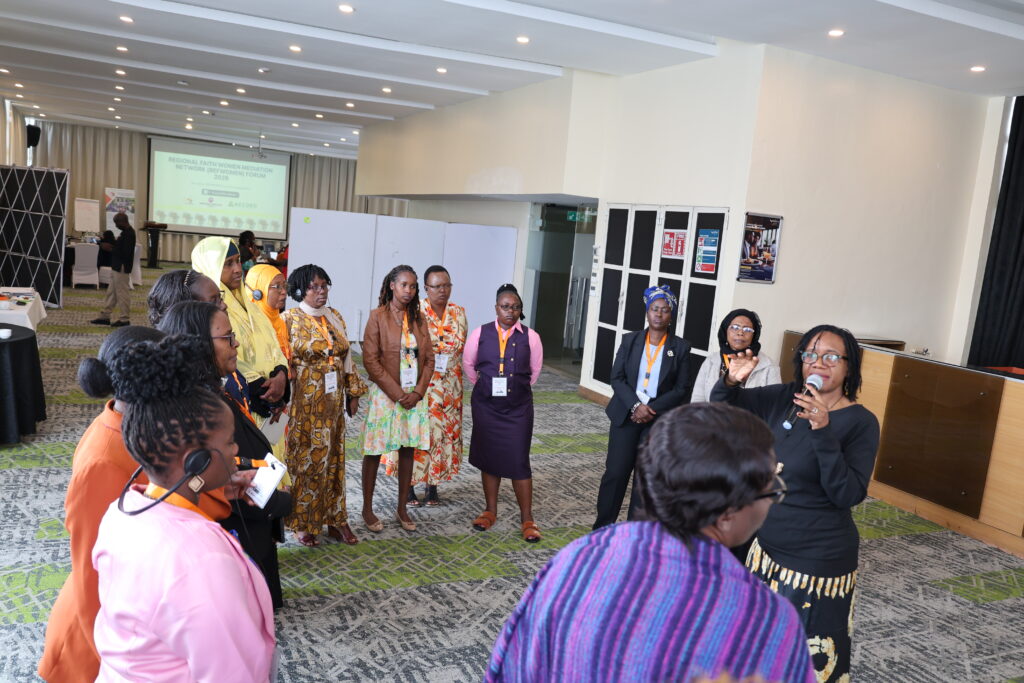
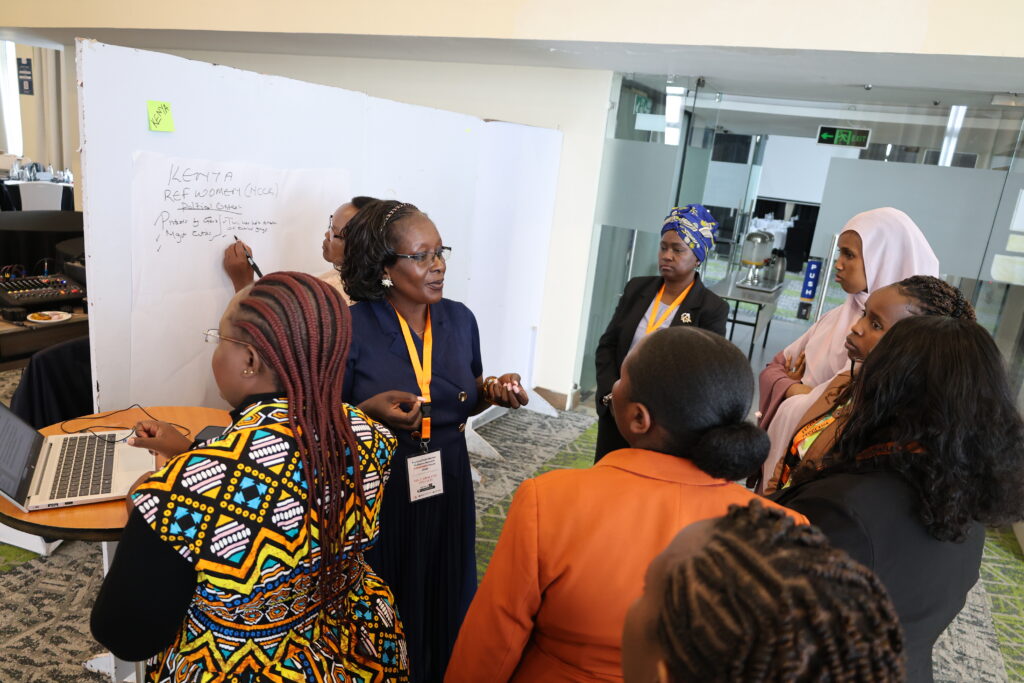
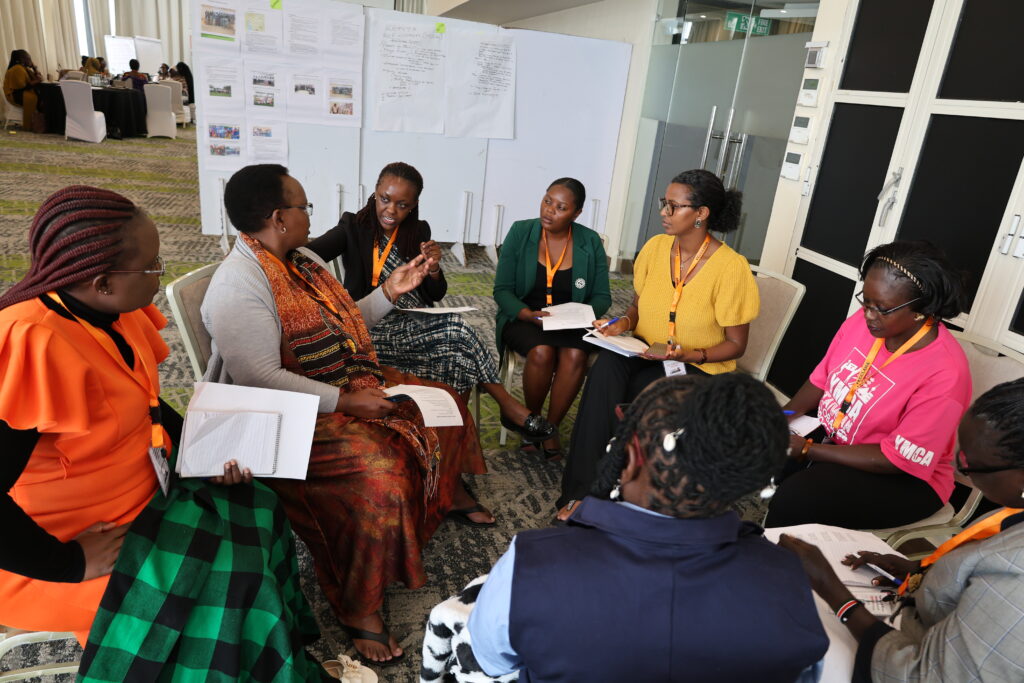
The forum also placed strong emphasis on strengthening practical advocacy skills. Through interactive learning and role-playing exercises, participants explored how to communicate with decision-makers, frame compelling advocacy messages, negotiate commitments, and navigate high-level policy spaces. Rather than viewing advocacy as simply raising concerns, participants reflected on the importance of preparation, strategic communication, and building relationships that can influence lasting change.
The discussions came at a particularly significant moment for REFWOMEN. Late last month, REFWOMEN, under FECCLAHA, signed a Memorandum of Understanding with the African Union to collaborate on Building Peace at the Community, National and Regional Levels. The partnership provides an important platform for strengthening the participation of women and other underrepresented groups in peace processes, advancing mediation and reconciliation efforts, promoting trauma healing, and increasing awareness of African Union peace and security frameworks. It also reinforces the role of women of faith as key partners in implementing the Women, Peace and Security and Youth, Peace and Security agendas.
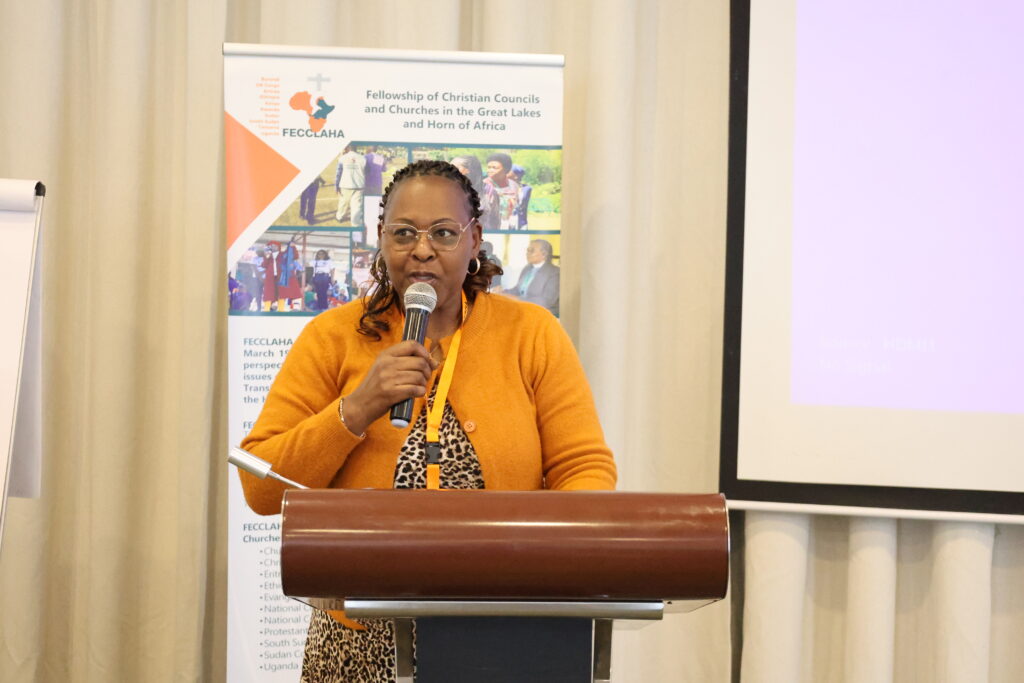
Reflecting on this milestone, FECCLAHA Executive Director Jeannette Uwizeye encouraged participants to view policy engagement as a natural progression of the work they are already leading within their communities. She emphasized that women of faith have demonstrated their ability to transform lives through mediation, dialogue, and reconciliation, and that the next step is ensuring these experiences help shape the decisions that influence peace across the continent.
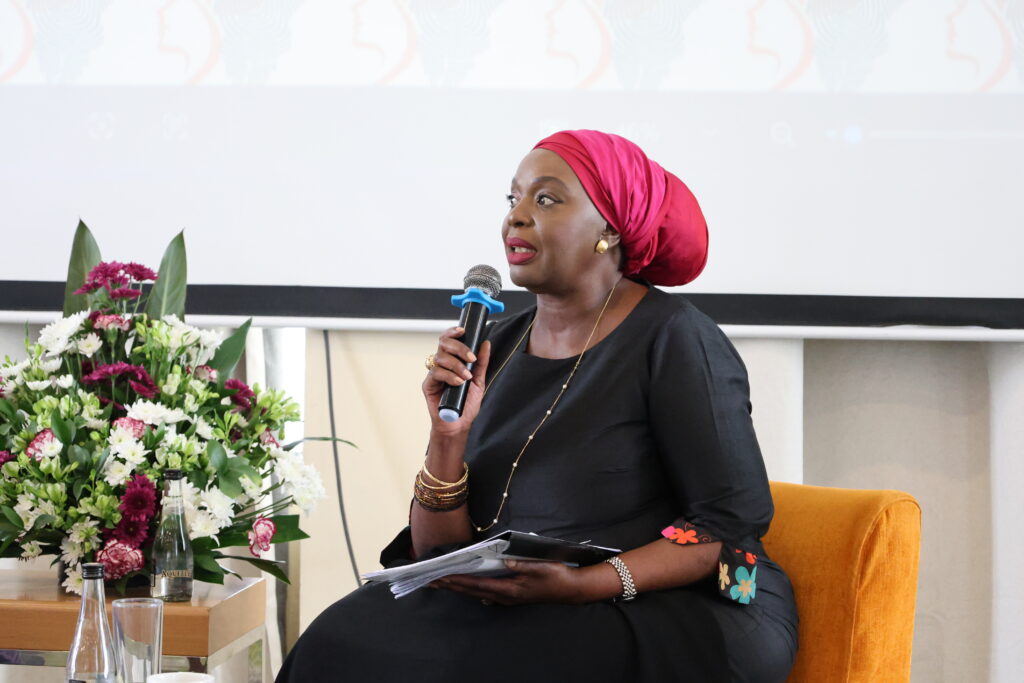
The forum was further enriched by the participation of Ambassador Raychelle Omamo, who shared insights from her experience in diplomacy and public service. She challenged participants to approach policy engagement with confidence, preparation, and credibility, reminding them that influence is built through consistency, relationships, and a clear understanding of institutional processes.
The gathering also celebrated the partnerships that have accompanied REFWOMEN since its establishment. Partners reaffirmed their commitment to strengthening the network and supporting women who continue to lead peacebuilding efforts in communities across the region. Over the years, REFWOMEN has evolved into a platform that not only amplifies women’s voices but also equips them with the knowledge, networks, and practical skills needed to contribute meaningfully to peace and security initiatives.
As the forum concluded, participants returned to their respective countries with renewed purpose and a shared commitment inspired by the story of the hummingbird, a reminder that lasting transformation begins when each person chooses to do the best they can.
For REFWOMEN, that commitment means continuing to strengthen women of faith as mediators, advocates, and policy influencers, ensuring that the voices shaping peace at the community level are also helping shape the policies that will determine the future of the Great Lakes and Horn of Africa.